In an era dominated by high-resolution screens and automated digital algorithms, physical components continue to hold a surprisingly vital place in tabletop gaming. While software can seamlessly generate random numbers in a fraction of a millisecond, it often lacks the sensory engagement that human players crave. The physical act of holding, shaking, and casting tactile rolling tools creates a visceral connection to chance that digital interfaces struggle to replicate.
The Psychology of Physical Engagement
Human psychology is deeply tied to physical feedback and sensory input during social activities. When players manipulate physical items, their brain registers a sense of ownership and direct control over the dynamic moment. This physical connection heightens anticipation, making every unexpected outcome feel significantly more impactful than a simple screen animation.
Furthermore, tactile interactions reduce the cognitive fatigue associated with prolonged screen time. Gathering around a real table allows participants to engage in meaningful face-to-face communication without digital distractions. The shared suspense of watching a physical object come to rest creates a collective memory that virtual rooms rarely match.
Authenticity and Perceived Fairness
One major reason physical rolling components retain their popularity is the transparency of real-world physics. While digital random number generators are mathematically fair, players often view automated algorithms with a degree of skepticism. Seeing physical objects tumble across a felt surface offers an immediate, verifiable proof of randomness that builds trust among competitors.
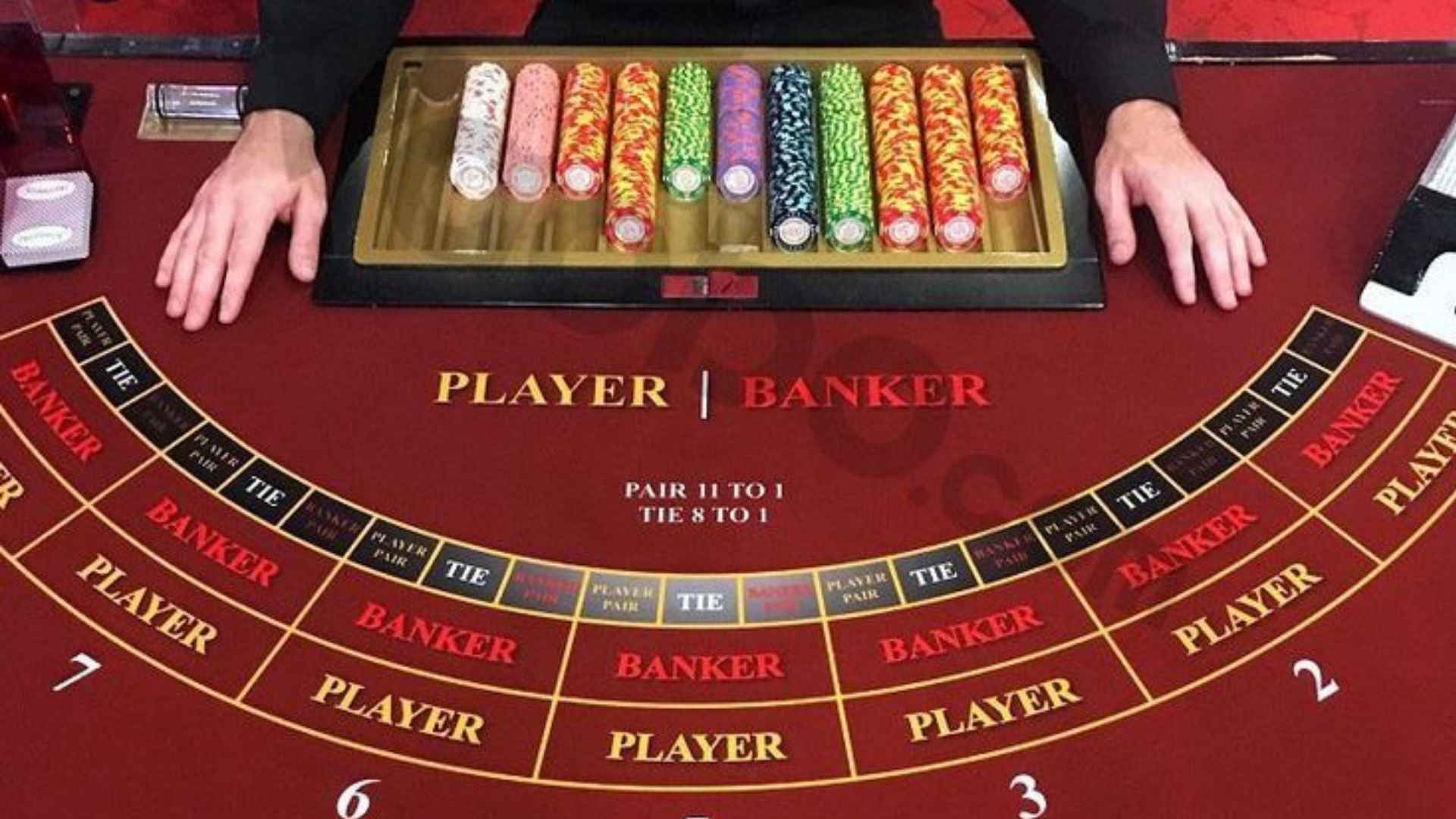
This preference for authentic, tangible experiences extends to various gaming platforms where strategy and chance intersect. Enthusiasts who analyze gaming environments, including online platforms like m88 casino, recognize how crucial transparent risk and reward mechanics are to player satisfaction. Whether in modern board games or digital spaces, the perception of fair odds remains fundamental to long-term engagement.
Craftsmanship and the Collector's Appeal
Beyond functional utility, modern rolling components have evolved into highly prized artistic collectibles. Artisans now craft custom items using materials ranging from dense hardwoods and hand-poured resins to semi-precious gemstones and balanced metals. These unique materials provide distinct weights, textures, and acoustic feedback that enhance the overall aesthetic experience.
For dedicated hobbyists, building a personalized collection is an extension of their identity within the gaming community. Custom designs and thematic finishes allow players to tailor their tools to specific game genres or character concepts. This intersection of utility and artistic craftsmanship ensures that physical tools maintain high emotional and monetary value.
Bridging the Gap Between Analog and Digital Gaming
Rather than replacing physical components entirely, contemporary designers are finding innovative ways to blend analog charm with digital convenience. Hybrid tabletop systems use smart sensor technology embedded inside physical components to transmit real-time data to digital displays. This approach preserves the tactile joy of physical rolling while streamlining complex rule calculations automatically.
Ultimately, the enduring popularity of physical gaming elements demonstrates that technology cannot entirely replace sensory human experiences. As digital entertainment becomes more pervasive, the demand for tangible, high-quality gaming accessories will only continue to grow. Physical rolling components represent a timeless connection to chance, strategy, and real-world social interaction.