Casino games offer various types of rewards, but few prizes generate as much excitement as a jackpot. A jackpot represents the top payout available on a specific slot machine, table game, or digital gaming platform. Understanding how these major prizes function helps players make informed decisions when choosing games that match their preferences.
Defining the Basics of a Casino Jackpot
In simple terms, a casino jackpot is the maximum possible prize a player can win from a single wager or side bet. Unlike standard payouts that award smaller multipliers based on basic winning combinations, jackpots are designed as grand prize rewards. They serve as a primary attraction for both physical casinos and online gaming venues.
Jackpots can trigger in several ways depending on the design of the game. Some require landing a rare combination of matching symbols across a payline, while others trigger randomly during normal play. Regardless of the mechanism, winning a jackpot remains a statistically rare event designed to deliver substantial returns.
How Fixed Jackpots Work
A fixed jackpot, sometimes referred to as a flat top jackpot, offers a set prize amount that never changes. The potential payout remains identical regardless of how many times the game is played or how long it has been since the last payout. For instance, a slot machine with a fixed jackpot of 5,000 coins will always pay exactly that amount when the winning condition is met.
Because the prize pool is static, fixed jackpot games generally offer higher hit frequencies compared to their progressive counterparts. Players who prefer predictable payout structures often favor these titles because the odds of hitting the main prize are typically more favorable. Furthermore, players can review game rules on platforms like m88 link alternatif to understand payout multipliers before placing wagers.
The Mechanics Behind Progressive Jackpots
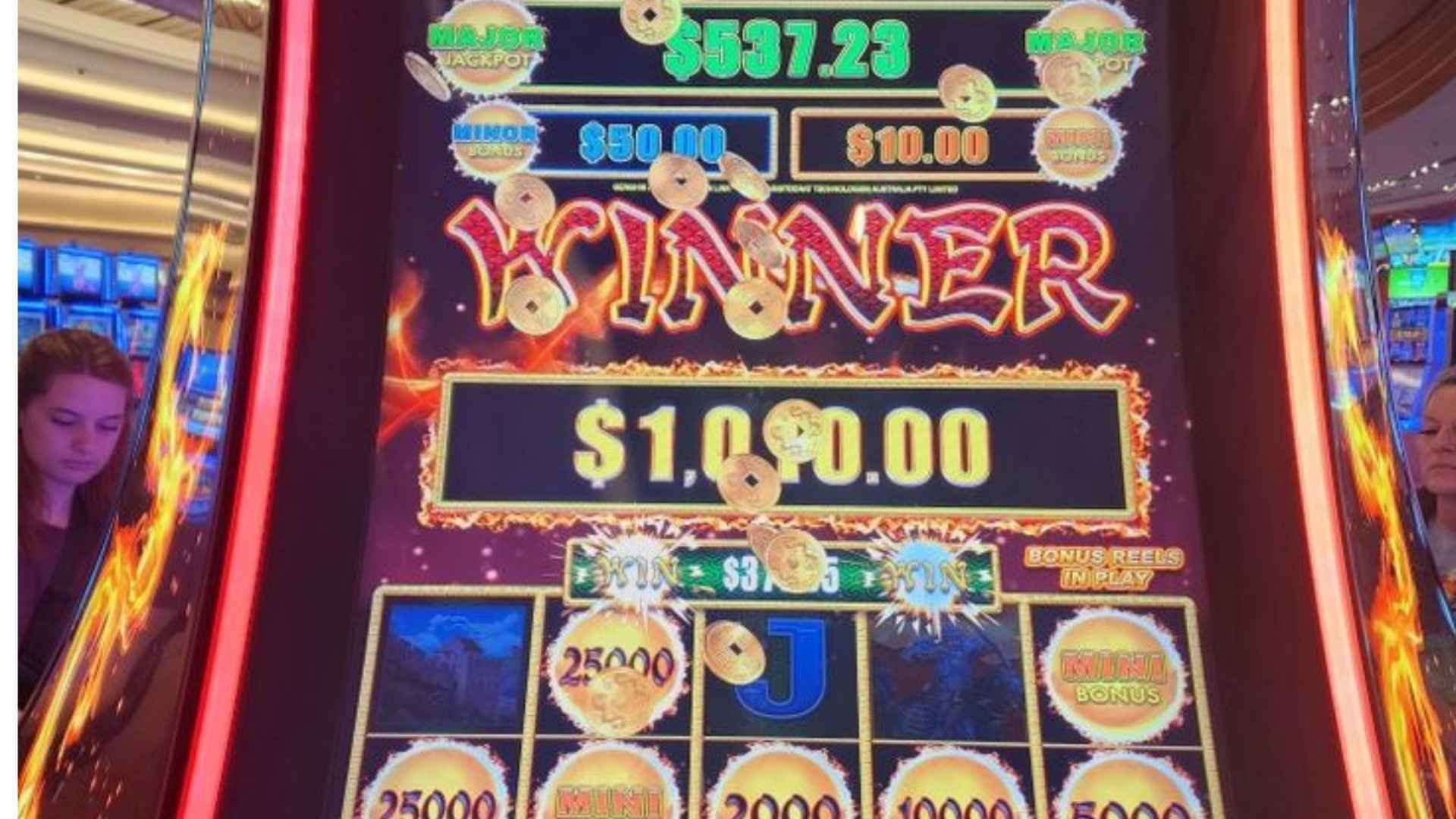
Progressive jackpots operate on a dynamic model where the top prize continually grows until a lucky player claims it. Each time a player places a bet on a participating machine, a small percentage of that wager is redirected into the central jackpot pool. Consequently, the prize can reach massive sums over time, especially when multiple machines or platforms are linked together.
Once a progressive jackpot is won, the prize amount resets to a predetermined baseline known as the seed value. The accumulation process then begins again as players place new wagers across the network. Because these prize pools can reach life-changing amounts, the odds of triggering a progressive jackpot are significantly lower than hitting a fixed prize.
Choosing the Right Jackpot Type for Your Strategy
Deciding between progressive and fixed jackpots depends largely on individual playing goals and risk tolerance. Players seeking frequent, modest wins with steadier odds often lean toward fixed jackpot games. These titles allow for better bankroll management over longer playing sessions.
Conversely, those motivated by the thrill of potentially massive payouts often prefer progressive titles. While the lower probability means long stretches without a top-tier win, the possibility of a colossal payout continues to drive their popularity across the gaming industry. Understanding these key differences ensures a more balanced and enjoyable gaming experience.